
Hello all. It is another perfect day to practice presence and mindfulness, and to control the pace by which we experience the day. Each day it is important to make sure there are at least a few moments for reflection, to tease out the insights and the glimmers, and to discover the opportunities for blessings and grace.
In following up on the topic of my last post, I offer some additional information that further broadens the scope of what EOL Doulas have to contribute. Thank you for joining me in this space.
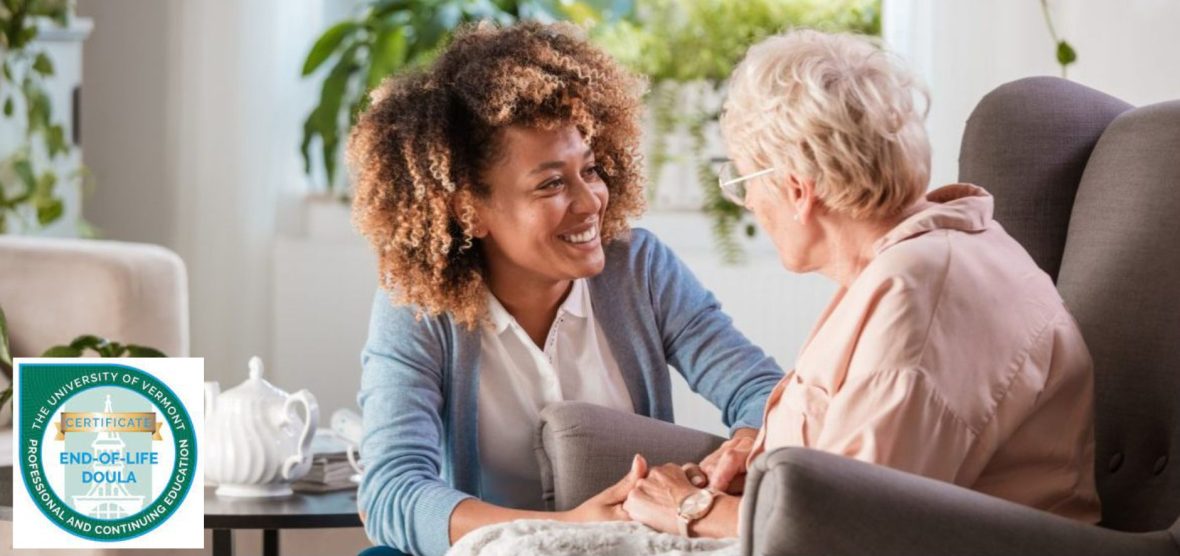
For families, the benefit of an EoLD is significant too. An end-of-life doula can alleviate some of the emotional and logistical burdens, allowing families to focus on spending quality time with their loved one. They can provide respite for tired caregivers, guide family members through the grieving process, and offer resources for navigating the practicalities that follow a death.
In a society that is often uncomfortable with the topic of death, the role of an end-of-life doula is a beacon of light. They remind us that the end of life is not just a medical event to be managed, but a profound human experience to be honored. As we age, we all deserve to face our final days with peace, dignity, and a sense of completeness. An end-of-life doula can be the gentle guide that helps us and our families achieve just that.
Embracing End of Life at Home: The Growing Movement of Aging in Place
End-of-life doulas can help to make aging in place and dying at home a comforting and welcome option. For many seniors, the thought of leaving their home—the place filled with memories, comfort, and independence—is deeply unsettling. Fortunately, a powerful and growing trend is making that choice a reality. This is not just about staying put; it is a proactive and integrated approach to growing older that allows individuals to live safely and independently in their own homes and communities for as long as possible.
The reasons for staying in home as death is approaching are as personal as the people themselves. For most, it is about maintaining a sense of autonomy and familiarity. The home is a personal sanctuary, a place where routines are established and comfort is paramount. The emotional toll of leaving a beloved home can be significant, often leading to isolation and depression. And beyond the emotional aspect, aging in place is often a more cost-effective solution compared to the high expenses of assisted living facilities or nursing homes. By strategically investing in some (often minor) home modifications and in-home care services, seniors and their families can manage finances more sustainably.
I will expand on this topic in my next post, so I will leave you with this: End-of-Life at home is really not a new idea, and certainly not radical. In fact, it used to be the norm–the only option. In many cultures, the death of the elders, in their natural environment, with their loved ones gathered is cause for rituals and celebration. The End-of-Life Doulas of today strive to renormalize that same idea while providing the solid practical supports that enable families, loved-one, and caregivers to engage with death on a more reverent and spiritual level.
I invite you to take the leap of discussing some of these ideas, the more we talk about it, the more normalized the subject of death becomes (and our fears begin to abate). Offer your insights, perspectives, and fears too in the comments below.
With warmest regards,
Carolynn