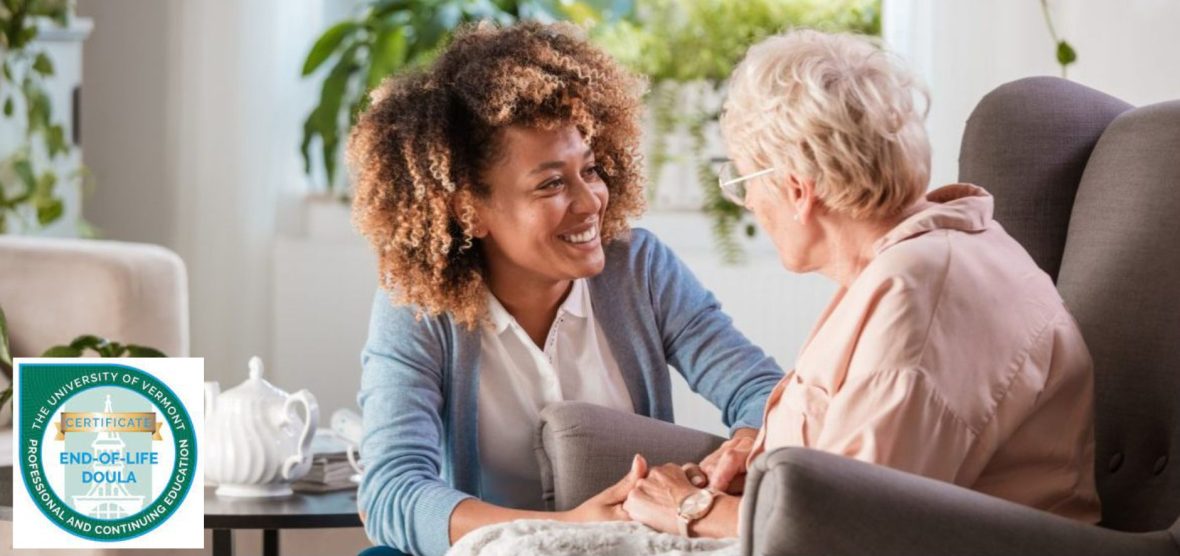
Shaping Legacy and Centering on Quality of Life

Hello friends,

We have talked about the first 48 hours after a diagnosis and creating the sanctuary space, but what happens in the weeks or months that follow?

This is the period where the medical and care-giving routines have been established, but the “active” dying stage has yet to begin. Once pain and other discomforts are well managed the door opens on the “bonus hours,” days, and weeks. For some families this may be a time of uncertainty. It’s where waiting meets wondering–what happens next and when and how to make plans with many unknowns. My reply is: Look to the experts for signs and guidance on what is ahead and lean softly into the blessing of this time.


As a doula, this is where we move from managing practical logistics into the soul of our death work. It is time for gentle engagement focused on bringing lasting hopes and final wishes to fruition–to the very best of our ability.

Legacy

“A person’s legacy is: The lasting impact, memory, and influence one leaves behind after they are gone, encompassing tangible things like property and money, as well as intangible gifts like values, stories, traditions, lessons, and the positive effect their actions have had on others. It’s the sum of their life’s work, character, and spirit that continues to resonate with family, friends, and the world, and at its best, may shape future generations or inspire change long after their physical presence ends.”

Sometimes legacy work can be an exercise called “Life Review” resulting in a summary of life in words or photographs (or both) about what has meant the most. Sometimes it is helping to make amends and heal fractured relationships. Sometimes it is transcribing Lasting Words to Loved Ones or preparing an “Ethical Will” to pass along values, wisdom, and items of sentimental value. Helping to bring these desires to fruitful conclusion, is the best of doula work, and it allows our loved ones to leave this life feeling fulfilled, unburdened by regret, and ready to live final days in peace. This work has extraordinary value–to both giver and receiver–and should not be overlooked unless physical, medical, or resistive conditions preclude it. It is an opportunity not a requirement.

Gatekeeping

As sunset nears, energy becomes the most valuable asset. It is import to have some control over who has access. This is another role perfect for your doula. We can easily step into this role because we don’t have the emotional history and we don’t mind being perceived as “the bad guy.” With guidance from our loved one, and with input from family, we can graciously regulate visitation and preserve energy.

Part 2 of This Post will come in the days ahead and will continue with more ways to celebrate the now and continue to prepare for what is ahead. We offer some insights on recognizing the signs and stages of the active dying period and discuss how the doula supports the family through the final hours of the physical journey.


In conducting the final edit of this post, I want to clarify something that is true of this post and most of my writing. I use the word “family” to specify a certain grouping of individuals. I am not referring necessarily to blood relations. In my view as well as the usage of the term, the word “family” means whomever our person has chosen to surround him or herself with in their life.

Thank you for visiting once again. I will value your thoughts, insights, or questions about this topic. You can send them “quick and easy” by clicking in the Reply box located below.

I close with warmest regards and gratitude for the gradual increase in daylight that feels so hopeful now,

Carolynn

Beyond the Diagnosis: The First 48 Hours with a Death Doula

Hello everyone,

It is gently snowing once again here in the northeast. No worries though, it is enough to offer a sense of coziness, and not enough to warrant logistical concerns. Luna is keeping me company, gently snoring and (seemingly) dreaming of lions.

Thank you for joining me again in this space. My mission is to expand the understanding of where, when, and how the end-of-life doula-work fits in, in the end-of-life story.


When a terminal diagnosis arrives, the world tends to shrink. The air in the room gets thinner, and the future—once a wide-open map—suddenly has a very visible–yet abstract–border.

In our last few posts, we looked at the EOL Planning Templates–the “Paperwork of Peace.” Those are the “what” in this circumstance. Today, we’re talking about the “how.” How does a Doula actually step into that space?

The Shift from Patient to Person

The medical system is designed to treat a patient. A Death Doula is there to support a person–a loved one, a family member. Doulas come into the environment with love and compassion leading the way. Your loved one very quickly becomes our loved one too.

In the first session following a diagnosis, my job isn’t to look at medicines and charts, we leave that to the medical team. A doula begins by assessing the environment through a lens of peace and loving care.

In addition, we are looking for the “Unspoken Heavy”—the stack of mail piling up, the family members who are vibrating with anxiety, and the person at the center who might feel like they’ve lost their identity to a medical label adhered with a death sentence.

The Emotional Audit

Before we can use the Papers of Peace, we need to alleviate initial reactive worries. I begin by asking a few questions that the doctors won’t:

  1. “What is the one thing no one is saying out loud right now?”
  2. “What is your biggest worry of this moment?” (It’s often something small, like who will feed the cat or how the guest room needs tidying).
  3. “How can we arrange logistics in your home to pave the way for convenience, comfort and peace in the days ahead?”

Creating a Sanctuary Space

I seek to prepare an already favored space within the home where our loved one will spend most of the time as energy begins to wane. Is there a sunny space with a cozy chair and a corner table that holds your watercolor supplies or a current puzzle? Or maybe you most enjoy the chaise by the fireplace, where family can relax not far away, and you can easily reach your book or your crochet bag, and you can hear the cat purring on the guest chair.

  • Doulas curate for the senses: What should it smell like–lavender, mint, chocolate chip cookies?
  • What comforts can we bring in? A special quilt or hand-knitted throw, some framed photographs? An easy-to-reach charging station, and electric tea kettle, and a speaker to play music softly in the background when the quiet becomes imposing?
  • How do we make it welcoming for others to draw near yet private enough for resting?

Advocacy and the Chosen Path

Connecting with the Healthcare Proxy is very helpful now. Knowing clearly what our loved one has decided for the course of care ahead allows us to advocate and uphold care wishes. The healthcare proxy provides the understanding based on our loved one’s values and most heartfelt wishes, which paves the way for a solid and unified support system. From there we practice saying phrases, such as: “We understand the medical recommendation, but based on [Name]’s Quality of Life values, we are choosing [X] instead.” A similar dialog is sometimes needed with family members, dearest friends, and other well-wishers who have opinions that conflict with the chosen course of treatment or non-treatment.

Why This Matters Now

The gap between diagnosis and active dying can be weeks, months, or years. If we don’t start the Doula work early, we spend the final days in a panic of logistics. Typical doula-assisted clients spend more time in gentle meaningful activity–such as legacy projects and recording lasting words for loved ones–than those without trained guidance. By starting now, we claim that time for living as fully as possible focused on what matters most.

In the next post: I take a deeper dive into the time that follows the initial crisis response and shifts to weaving the path toward legacy work (and play), and focuses on what matters most in this time–the “now” that remains. This is an important, and the most unique, part of the story, no two are the same, and it is where our loved one can recapture some control. Stay tuned.


As always, I welcome your questions and thoughtful contributions in the reply box below.

Have a wonderful today. Do make it a point to spend some moments practicing true presence and mindfulness before the sun sets. That regular practice improves our outlook significantly.

With great warmth and love,

Carolynn

Harvesting the Light: The Beautiful Possibilities of Partnership of Hospice and Doula Care


Hello all,

In my last post, we spoke about the “early spring” of a sudden diagnosis and the quiet, intentional steps one can take to find footing in a shifting landscape. As we continue to watch the light stretch longer across the Maine snow, I want to talk about one of the most significant services available to those on this journey: Hospice.

There is often a misconception that calling in hospice means “giving up.” In truth, it is exactly the opposite. It is a choice to focus on the quality of the life that remains—to ensure that every day is met with comfort, dignity, and as much joy as possible.


The Gift of Hospice: Specialized Medical Support

Hospice is a specialized form of medical care designed to manage pain and symptoms during the final phase of life. Their teams—comprised of doctors, nurses, and social workers—are experts at ensuring the body is cared for with gentleness. They provide the essential medical “infrastructure” that allows a person to remain in the comfort of their own space.

Filling the Gaps: How EOL Doulas and Hospice Work Hand-in-Hand

While hospice provides the vital medical and clinical support, an End-of-Life Doula works alongside them to weave a tapestry of continuity of care. Think of hospice as the expert gardeners tending to the health of the plants, while the doula is the one sitting in the garden with you, ensuring the environment remains peaceful, sacred, and entirely your own.

Here is how we can work together to fill the care gaps:

  • Continuous Presence: While hospice visits are periodic, a doula can provide extended, consistent presence during those “in-between” hours. We offer the emotional and spiritual anchoring that families often need when the nurses aren’t in the room.
  • Creating a Sacred Atmosphere: Doulas focus on the “spirit of the space.” Whether it’s managing the sensory environment, facilitating final wishes, communicating with loved ones and coordinating vigils, or any of the many activities that doulas can provide that bring more meaning to the final days, we ensure the clinical doesn’t overshadow the personal.
  • Emotional Legacy Work: While hospice social workers provide wonderful support, a doula has the dedicated time to sit deeply with a person to craft their personal and emotional legacy—recording stories, writing letters for the future, and ensuring the “unwritten inheritance” is preserved.
  • Vigil Support: In the final hours, a doula can provide a steady, non-judgmental presence, helping families understand the body’s gentle withdrawal process and offering the “Doula’s Wisdom” for comfort that complement the medical care being provided.

A Unified Circle of Care

Inviting Hospice into the end of life process is typically a true blessing. My personal experience with hospice, when I was a solo and full-time caregiver, was of the highest value, but they couldn’t cover all of the bases. By bringing a doula into the circle of care, you create a holistic support system that honors both the body and the soul. We are here to “labor in” and “labor out” alongside the medical experts, ensuring that the transition is met with presence, compassion, and grace.

If you are currently navigating the first steps of hospice care, please know that you don’t have to do it alone. We are here to help bridge the gaps and hold the space for whatever you need.

What questions do you have about how these two worlds of care come together? I invite you to share your thoughts and experiences in the comments below.

With warmth and a heart for your journey,

Carolynn

Navigating the First Steps of an Unexpected Journey


Hello all,

As I sit here today, the light has begun to change. That brilliant, stark white of mid-winter is beginning to soften and hints at what lies beneath the snow. Even as Luna and I watch the squirrels continue their acrobatic feats at the feeders, there is a new restlessness in the air—a quiet, insistent whisper that spring, with all its renewal and messy beauty, is just around the corner. Perhaps a bit of a stretch for winter in Maine, but I’ll cling to it.

In nature, spring doesn’t happen all at once. It begins with the smallest, invisible shifts: a softening of the earth, a sapling’s quiet preparation.

But what happens when your own season shifts far more abruptly than the calendar intended? Lately, I have been holding space for those who have just received news they didn’t see coming—a diagnosis or a clinical turn that suggests the end of life may be arriving sooner than anticipated. When the “winter” of one’s life arrives ahead of schedule, it can feel less like a peaceful snowfall and more like a sudden storm.


If you or a loved one are standing in that sudden chill, I want to offer a few “first steps” to help you find your footing. Much like preparing a garden for the first thaw, these steps aren’t about doing everything at once; they are about creating the right environment for peace and presence.

1. Pause and Breathe (The Sacred Interlude) The moment after receiving difficult news is often a blur of clinical terms and logistical panic. I invite you to simply pause. Before the phone calls begin and the calendars fill with appointments, take twenty-four hours—if you can—to just be. Sit by your own window. Let the news settle. You do not have to be a “warrior” or a “planner” in the first hour. You only have to be human.

2. Identify Your “North Star” Voice In the coming weeks, you will be surrounded by many voices: doctors, well-meaning relatives, and insurance providers. Now is the time to identify who will hold your “North Star”—the person who knows your soul’s values best. Is it a spouse? A grown child? A dear friend? Make sure they know that their role isn’t just to help you live, but to help you live your way.

3. Small Circles of Support You do not owe the world your medical history. As you prepare for the renewal of your spirit, consider who belongs in your “inner garden.” It is okay to limit your circle to those who provide energy rather than those who require it. Establishing a small, trusted communication chain now can prevent you from having to repeat your story a dozen times when you’d rather be resting or gently considering legacy.

4. The “Paperwork of Peace” While it feels clinical, there is immense spiritual relief in getting the logistics in order early. Locating your End-of-Life documents—or starting a simple Letter of Instruction—is an act of profound love for those you leave behind. It clears the weeds so that, when the time comes, only the flowers of memory and connection remain.

Just as the dormant winter garden holds the “leftovers from fall harvest” to sustain the birds, your life’s harvest is already within you. An unexpected timeline doesn’t diminish the beauty of what you have grown; it simply asks us to be more intentional about how we spend these coming days of light.

If you are navigating a sudden thaw or an early frost, please know you don’t have to walk the path alone. Whether it’s through consulting an EOL Doula or simply sharing a thought in the comments below, we are here to walk with you.

Today my hope words are: self-love, transformation, and peace. What are the “hope words” you are carrying into this changing season? I would love to hear them.

With warmth and energy for channeling those brighter days with great anticipation,

Carolynn

Making Aging in Place a Reality: The Three Pillars

Hello all,

It is a brisk and beautiful snow-covered day here in mid-coast Maine, a great day to write by the window and watch the beauty of what unfolds outdoors in the early morning. The birds, who ignore my feeders most of the time, flit about them now gathering seeds to sustain them until the snow begins to melt and expose the bounty to be found in the dormant winter garden–the leftovers from fall harvest. There are squirrels in the mix, too, who are practicing their mastery of tight-rope and pole vault to share in the bounty at the feeders, while my girl Luna, a Boxer – Ridgeback mix, is eager to give them a run for their money.

As promised, I have more to share on the idea of making aging and dying at home not only possible but do-able.


Aging in place does require thoughtful planning and often involves a few key components. Think of them as the three pillars of a successful strategy:

Home Modifications and Technology:

The home itself needs to be safe and accessible. Simple changes like installing grab bars in bathrooms, adding brighter lighting, and securing loose rugs can prevent falls. More extensive modifications might include a walk-in shower, a stairlift, or single floor living arrangements. Technology also plays a vital role. Smart home devices, personal emergency response systems (PERS), and even medication dispensers can provide an extra layer of safety and peace of mind.

In-Home Support Services:

Independence doesn’t mean doing it all alone. A range of professional services can bring necessary care right to the doorstep. This includes everything from home health aides who assist with daily tasks like bathing and dressing to visiting nurses who manage medications and provide medical care. Non-medical help, such as meal delivery services and housekeeping, can also make a significant difference.

Community Connection:

Loneliness is a serious health risk for older adults. Staying connected to the community is crucial for mental and emotional well-being. Local senior centers, community programs, and transportation services can help individuals stay socially active and engaged. Neighbors, friends, and family are the most critical support system, and fostering these relationships is key to a successful aging-in-place plan.

It is a collaborative effort. While the desire to age in place is personal, making it happen is a collaborative effort. It involves conversations between seniors, their family members, financial planners, and medical professionals. By starting these discussions early, families can create a tailored plan that addresses individual needs and preferences.

Aging in place is more than just a preference; it is a model for dignified and independent living. It is about empowering older adults to remain at the heart of their lives and communities, ensuring that their elder years are as comfortable and fulfilling as possible.

While some of these ideas may feel daunting to both those who are aging and their loved ones, starting the discussions early paves the way, and consulting the experts can significantly reduce stress. End-of-Life doulas can significantly lower the stress level by bridging the knowledge gap and providing leads and contacts for local resources.


It is my personal age-in-place plan to sit by this window writing until whatever age-related issue may change that. I imagine at some point, my desk here will give way to a soft chair with a side table, a brighter reading lamp, and teapot. Following that, maybe even a hospital-type bed with my old quilt tucked around me while I continue to enjoy the change of seasons outside.

Thank you for continuing to read these posts. I hope they are found informative and helpful. As always, I invite you to to share your thoughts and ideas in the comments below.

With warmth and wishes for a wonderful day,

Carolynn