Harvesting the Light: The Beautiful Possibilities of Partnership of Hospice and Doula Care


Hello all,

In my last post, we spoke about the “early spring” of a sudden diagnosis and the quiet, intentional steps one can take to find footing in a shifting landscape. As we continue to watch the light stretch longer across the Maine snow, I want to talk about one of the most significant services available to those on this journey: Hospice.

There is often a misconception that calling in hospice means “giving up.” In truth, it is exactly the opposite. It is a choice to focus on the quality of the life that remains—to ensure that every day is met with comfort, dignity, and as much joy as possible.


The Gift of Hospice: Specialized Medical Support

Hospice is a specialized form of medical care designed to manage pain and symptoms during the final phase of life. Their teams—comprised of doctors, nurses, and social workers—are experts at ensuring the body is cared for with gentleness. They provide the essential medical “infrastructure” that allows a person to remain in the comfort of their own space.

Filling the Gaps: How EOL Doulas and Hospice Work Hand-in-Hand

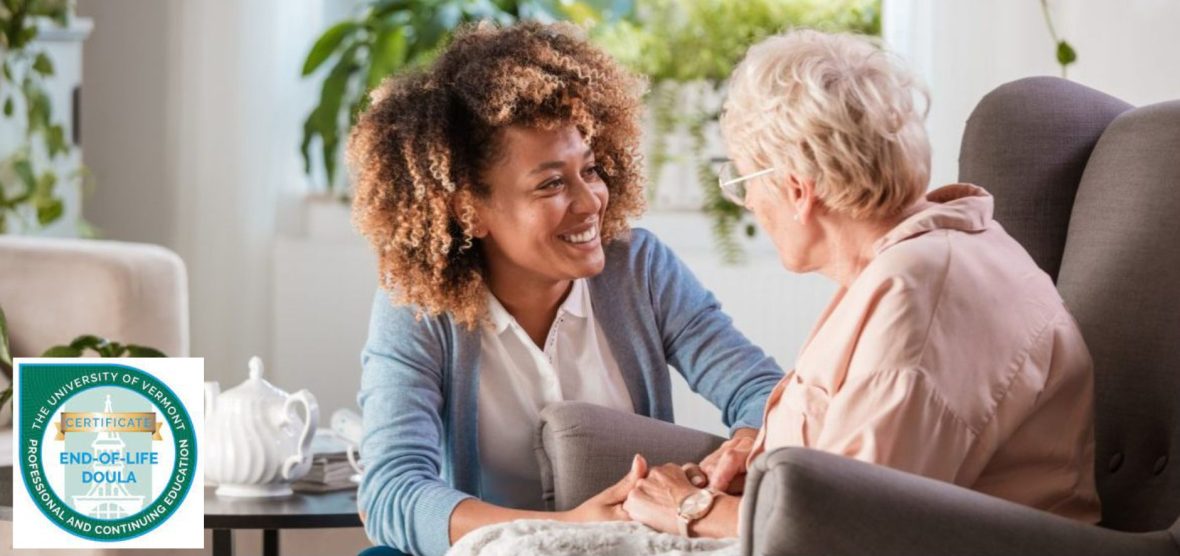
While hospice provides the vital medical and clinical support, an End-of-Life Doula works alongside them to weave a tapestry of continuity of care. Think of hospice as the expert gardeners tending to the health of the plants, while the doula is the one sitting in the garden with you, ensuring the environment remains peaceful, sacred, and entirely your own.

Here is how we can work together to fill the care gaps:

  • Continuous Presence: While hospice visits are periodic, a doula can provide extended, consistent presence during those “in-between” hours. We offer the emotional and spiritual anchoring that families often need when the nurses aren’t in the room.
  • Creating a Sacred Atmosphere: Doulas focus on the “spirit of the space.” Whether it’s managing the sensory environment, facilitating final wishes, communicating with loved ones and coordinating vigils, or any of the many activities that doulas can provide that bring more meaning to the final days, we ensure the clinical doesn’t overshadow the personal.
  • Emotional Legacy Work: While hospice social workers provide wonderful support, a doula has the dedicated time to sit deeply with a person to craft their personal and emotional legacy—recording stories, writing letters for the future, and ensuring the “unwritten inheritance” is preserved.
  • Vigil Support: In the final hours, a doula can provide a steady, non-judgmental presence, helping families understand the body’s gentle withdrawal process and offering the “Doula’s Wisdom” for comfort that complement the medical care being provided.

A Unified Circle of Care

Inviting Hospice into the end of life process is typically a true blessing. My personal experience with hospice, when I was a solo and full-time caregiver, was of the highest value, but they couldn’t cover all of the bases. By bringing a doula into the circle of care, you create a holistic support system that honors both the body and the soul. We are here to “labor in” and “labor out” alongside the medical experts, ensuring that the transition is met with presence, compassion, and grace.

If you are currently navigating the first steps of hospice care, please know that you don’t have to do it alone. We are here to help bridge the gaps and hold the space for whatever you need.

What questions do you have about how these two worlds of care come together? I invite you to share your thoughts and experiences in the comments below.

With warmth and a heart for your journey,

Carolynn

Navigating the First Steps of an Unexpected Journey


Hello all,

As I sit here today, the light has begun to change. That brilliant, stark white of mid-winter is beginning to soften and hints at what lies beneath the snow. Even as Luna and I watch the squirrels continue their acrobatic feats at the feeders, there is a new restlessness in the air—a quiet, insistent whisper that spring, with all its renewal and messy beauty, is just around the corner. Perhaps a bit of a stretch for winter in Maine, but I’ll cling to it.

In nature, spring doesn’t happen all at once. It begins with the smallest, invisible shifts: a softening of the earth, a sapling’s quiet preparation.

But what happens when your own season shifts far more abruptly than the calendar intended? Lately, I have been holding space for those who have just received news they didn’t see coming—a diagnosis or a clinical turn that suggests the end of life may be arriving sooner than anticipated. When the “winter” of one’s life arrives ahead of schedule, it can feel less like a peaceful snowfall and more like a sudden storm.


If you or a loved one are standing in that sudden chill, I want to offer a few “first steps” to help you find your footing. Much like preparing a garden for the first thaw, these steps aren’t about doing everything at once; they are about creating the right environment for peace and presence.

1. Pause and Breathe (The Sacred Interlude) The moment after receiving difficult news is often a blur of clinical terms and logistical panic. I invite you to simply pause. Before the phone calls begin and the calendars fill with appointments, take twenty-four hours—if you can—to just be. Sit by your own window. Let the news settle. You do not have to be a “warrior” or a “planner” in the first hour. You only have to be human.

2. Identify Your “North Star” Voice In the coming weeks, you will be surrounded by many voices: doctors, well-meaning relatives, and insurance providers. Now is the time to identify who will hold your “North Star”—the person who knows your soul’s values best. Is it a spouse? A grown child? A dear friend? Make sure they know that their role isn’t just to help you live, but to help you live your way.

3. Small Circles of Support You do not owe the world your medical history. As you prepare for the renewal of your spirit, consider who belongs in your “inner garden.” It is okay to limit your circle to those who provide energy rather than those who require it. Establishing a small, trusted communication chain now can prevent you from having to repeat your story a dozen times when you’d rather be resting or gently considering legacy.

4. The “Paperwork of Peace” While it feels clinical, there is immense spiritual relief in getting the logistics in order early. Locating your End-of-Life documents—or starting a simple Letter of Instruction—is an act of profound love for those you leave behind. It clears the weeds so that, when the time comes, only the flowers of memory and connection remain.

Just as the dormant winter garden holds the “leftovers from fall harvest” to sustain the birds, your life’s harvest is already within you. An unexpected timeline doesn’t diminish the beauty of what you have grown; it simply asks us to be more intentional about how we spend these coming days of light.

If you are navigating a sudden thaw or an early frost, please know you don’t have to walk the path alone. Whether it’s through consulting an EOL Doula or simply sharing a thought in the comments below, we are here to walk with you.

Today my hope words are: self-love, transformation, and peace. What are the “hope words” you are carrying into this changing season? I would love to hear them.

With warmth and energy for channeling those brighter days with great anticipation,

Carolynn

Making Aging in Place a Reality: The Three Pillars

Hello all,

It is a brisk and beautiful snow-covered day here in mid-coast Maine, a great day to write by the window and watch the beauty of what unfolds outdoors in the early morning. The birds, who ignore my feeders most of the time, flit about them now gathering seeds to sustain them until the snow begins to melt and expose the bounty to be found in the dormant winter garden–the leftovers from fall harvest. There are squirrels in the mix, too, who are practicing their mastery of tight-rope and pole vault to share in the bounty at the feeders, while my girl Luna, a Boxer – Ridgeback mix, is eager to give them a run for their money.

As promised, I have more to share on the idea of making aging and dying at home not only possible but do-able.


Aging in place does require thoughtful planning and often involves a few key components. Think of them as the three pillars of a successful strategy:

Home Modifications and Technology:

The home itself needs to be safe and accessible. Simple changes like installing grab bars in bathrooms, adding brighter lighting, and securing loose rugs can prevent falls. More extensive modifications might include a walk-in shower, a stairlift, or single floor living arrangements. Technology also plays a vital role. Smart home devices, personal emergency response systems (PERS), and even medication dispensers can provide an extra layer of safety and peace of mind.

In-Home Support Services:

Independence doesn’t mean doing it all alone. A range of professional services can bring necessary care right to the doorstep. This includes everything from home health aides who assist with daily tasks like bathing and dressing to visiting nurses who manage medications and provide medical care. Non-medical help, such as meal delivery services and housekeeping, can also make a significant difference.

Community Connection:

Loneliness is a serious health risk for older adults. Staying connected to the community is crucial for mental and emotional well-being. Local senior centers, community programs, and transportation services can help individuals stay socially active and engaged. Neighbors, friends, and family are the most critical support system, and fostering these relationships is key to a successful aging-in-place plan.

It is a collaborative effort. While the desire to age in place is personal, making it happen is a collaborative effort. It involves conversations between seniors, their family members, financial planners, and medical professionals. By starting these discussions early, families can create a tailored plan that addresses individual needs and preferences.

Aging in place is more than just a preference; it is a model for dignified and independent living. It is about empowering older adults to remain at the heart of their lives and communities, ensuring that their elder years are as comfortable and fulfilling as possible.

While some of these ideas may feel daunting to both those who are aging and their loved ones, starting the discussions early paves the way, and consulting the experts can significantly reduce stress. End-of-Life doulas can significantly lower the stress level by bridging the knowledge gap and providing leads and contacts for local resources.


It is my personal age-in-place plan to sit by this window writing until whatever age-related issue may change that. I imagine at some point, my desk here will give way to a soft chair with a side table, a brighter reading lamp, and teapot. Following that, maybe even a hospital-type bed with my old quilt tucked around me while I continue to enjoy the change of seasons outside.

Thank you for continuing to read these posts. I hope they are found informative and helpful. As always, I invite you to to share your thoughts and ideas in the comments below.

With warmth and wishes for a wonderful day,

Carolynn

Finding Comfort and Dignity: The Additional Benefits of an End-of-Life Doula

Hello all. It is another perfect day to practice presence and mindfulness, and to control the pace by which we experience the day. Each day it is important to make sure there are at least a few moments for reflection, to tease out the insights and the glimmers, and to discover the opportunities for blessings and grace.


In following up on the topic of my last post, I offer some additional information that further broadens the scope of what EOL Doulas have to contribute. Thank you for joining me in this space.


For families, the benefit of an EoLD is significant too. An end-of-life doula can alleviate some of the emotional and logistical burdens, allowing families to focus on spending quality time with their loved one. They can provide respite for tired caregivers, guide family members through the grieving process, and offer resources for navigating the practicalities that follow a death.


In a society that is often uncomfortable with the topic of death, the role of an end-of-life doula is a beacon of light. They remind us that the end of life is not just a medical event to be managed, but a profound human experience to be honored. As we age, we all deserve to face our final days with peace, dignity, and a sense of completeness. An end-of-life doula can be the gentle guide that helps us and our families achieve just that.

Embracing End of Life at Home: The Growing Movement of Aging in Place

End-of-life doulas can help to make aging in place and dying at home a comforting and welcome option. For many seniors, the thought of leaving their home—the place filled with memories, comfort, and independence—is deeply unsettling. Fortunately, a powerful and growing trend is making that choice a reality. This is not just about staying put; it is a proactive and integrated approach to growing older that allows individuals to live safely and independently in their own homes and communities for as long as possible.

The reasons for staying in home as death is approaching are as personal as the people themselves. For most, it is about maintaining a sense of autonomy and familiarity. The home is a personal sanctuary, a place where routines are established and comfort is paramount. The emotional toll of leaving a beloved home can be significant, often leading to isolation and depression. And beyond the emotional aspect, aging in place is often a more cost-effective solution compared to the high expenses of assisted living facilities or nursing homes. By strategically investing in some (often minor) home modifications and in-home care services, seniors and their families can manage finances more sustainably.

I will expand on this topic in my next post, so I will leave you with this: End-of-Life at home is really not a new idea, and certainly not radical. In fact, it used to be the norm–the only option. In many cultures, the death of the elders, in their natural environment, with their loved ones gathered is cause for rituals and celebration. The End-of-Life Doulas of today strive to renormalize that same idea while providing the solid practical supports that enable families, loved-one, and caregivers to engage with death on a more reverent and spiritual level.

I invite you to take the leap of discussing some of these ideas, the more we talk about it, the more normalized the subject of death becomes (and our fears begin to abate). Offer your insights, perspectives, and fears too in the comments below.

With warmest regards,

Carolynn


Finding Comfort and Dignity: The Essential Role of an End-of-Life Doula

Since we are still in that period of new year, new goals, updating self-vision, I thought it a perfect time to go back to the beginning. The existence of trained, but non-medical, end-of-life practitioners is still not widely known, even though death-tenders, often known by other names (Shamans, Death Walkers, etc.), have been around for as long as humans have been. I created a snapshot of what is actually an extremely broad services list, which end of life doulas today offer their clients.


As the population ages, we are having more conversations about what it means to grow old with grace and dignity. We plan for retirement, for healthcare, and for our living situations. But there is another critical piece of the puzzle that is often overlooked: the end of life itself. Just as a birth doula supports a new life coming into the world, an end-of-life doula—sometimes called a death doula or a soul midwife—supports someone as they approach the end of their life. We labor in, we labor out.

For many of us, the final chapter can feel daunting. We might worry about being a burden, about the unknown, and about the emotional and spiritual work that comes with saying goodbye. This is where an end-of-life doula steps in. Unlike hospice, which focuses on medical and palliative care, a doula’s role is non-medical and holistic. They provide a unique blend of emotional, spiritual, and practical support to the person nearing death and their loved ones.

Think of us as navigators for the uncharted waters of a final journey. We can help with everything from creating a legacy project—like a scrapbook, a video, or a collection of written stories—to facilitating difficult conversations with family members. They assist in planning for a peaceful and personalized final passage, whether that is arranging for favorite music to be played, a specific scent to be present, or simply creating a serene environment.

For aging individuals, the presence of a doula can bring immense comfort. They offer a compassionate ear and a steady hand, helping to process feelings of grief, fear, or acceptance. They can advocate for the person’s wishes, ensuring that their final moments align with their values and desires. This kind of personalized support helps to restore a sense of control and autonomy at a time when many feel these things slipping away.

I have more on this topic coming in the next next post. I invite you to comment on this topic or similar as I believe sharing our experiences helps to define and refine our end of life needs.

With warmth and blessings for all,

Carolynn